Hall Effect Keyboard vs Mechanical Keyboard: Which One Should You Choose?
Mechanical keyboards have been around for years, and they are still a favorite among gamers, writers, programmers, and keyboard enthusiasts. Part of the appeal is simple. You can choose different switches, keycaps, mounting styles, and layouts to create the typing experience you want. A good mechanical keyboard can also have a sound and feel that becomes very personal.
Now there is another option gaining attention: the Hall Effect keyboard.
Hall Effect keyboards use magnetic switches and sensors to detect key movement. This allows features such as adjustable actuation and Rapid Trigger, which are especially interesting for gaming.
So, when comparing a Hall Effect keyboard vs mechanical keyboard, what really changes? More importantly, which one makes sense for you?
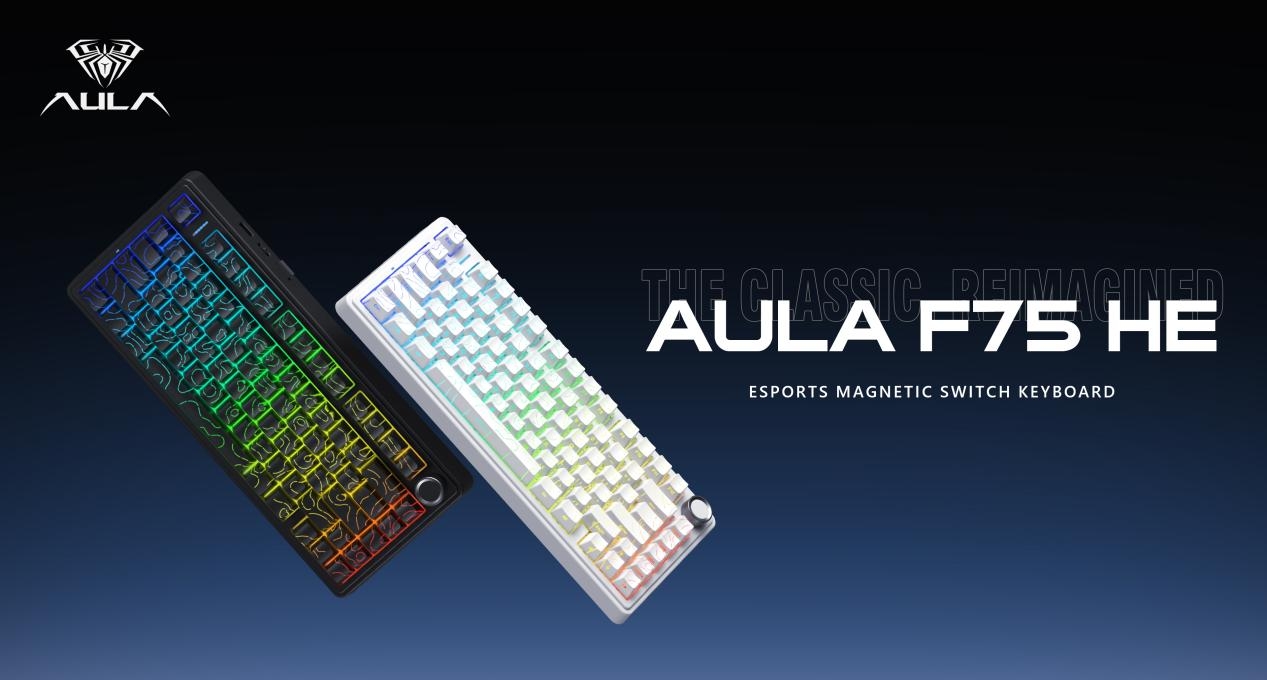
What Is a Mechanical Keyboard?
A mechanical keyboard uses individual switches under each key. Inside the switch, physical components determine when a keystroke registers and how the key feels. Mechanical switches usually fall into three familiar categories. Linear switches provide a smooth press, while tactile switches give you noticeable feedback. Clicky switches add a more pronounced sound and tactile response. The choice does not stop there. Different spring weights, switch designs, keycaps, plates, and mounting systems can all change the final experience. That flexibility is one reason mechanical keyboards remain popular. You can build one for gaming, office work, programming, or simply because you enjoy typing on it.
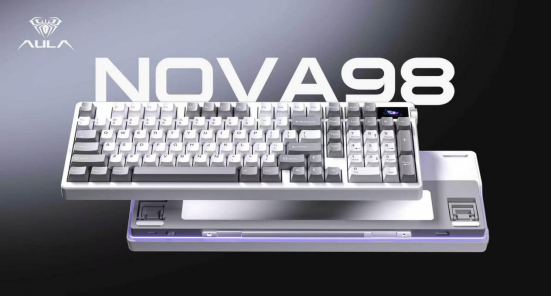
What Is a Hall Effect Keyboard?
A Hall Effect keyboard, also known as an HE keyboard or magnetic keyboard, works differently. Instead of relying on traditional metal contacts, Hall Effect switches use magnets and Hall sensors. The sensor detects changes in the magnetic field as the key moves. This means the keyboard can detect more than just whether a key is pressed. It can detect the position of the key. That difference makes several advanced functions possible. On compatible keyboards, users can adjust the actuation point and use features such as Rapid Trigger. For gaming, this can make a noticeable difference in how the keyboard responds to movement.
Hall Effect Keyboard vs Mechanical Keyboard: What Actually Changes?
| Feature | Mechanical Keyboard | Hall Effect Keyboard |
|---|---|---|
| Switch technology | Mechanical contacts | Magnetic switch + Hall sensor |
| Key detection | Press/release point | Continuous key movement |
| Actuation | Usually fixed | Adjustable on compatible models |
| Rapid Trigger | Generally unavailable | Common feature |
| Typing feel | Wide range of options | Depends on magnetic switch and keyboard design |
| Gaming features | Mature and diverse | More focused on input customization |
| Switch ecosystem | Very mature | Growing quickly |
| Typical use | Typing, gaming, work | Gaming, competitive play, customization |
The main difference is not simply the switch design. It is how the keyboard reads your keystroke. A mechanical switch normally tells the keyboard when the physical contacts have reached a certain point. A Hall Effect switch can provide information about the key's movement throughout the press. That gives manufacturers and users more room to adjust input behavior.
Adjustable Actuation Gives You More Control
Actuation is one of the most talked-about features of Hall Effect keyboards. On a traditional mechanical keyboard, the actuation point is built into the switch. You press the key to a certain point, and the input registers. A Hall Effect keyboard can offer more flexibility. Depending on the keyboard and software, you may be able to set the actuation point yourself. A shallow setting can make the key respond earlier. A deeper setting can require more key travel. This can be useful for different types of games. For example, a player who wants quick movement may prefer a shorter actuation distance. Someone who often makes accidental presses may prefer a deeper setting. It is a small change, but it gives the user more control over the keyboard.
Why Does Rapid Trigger Matter?
Rapid Trigger is another reason Hall Effect keyboards have become popular with gamers. Traditional switches usually have a fixed actuation and reset point. The key needs to move back far enough before another input can register. Rapid Trigger changes that behavior. The keyboard monitors key movement and can reset the input as soon as the key starts moving upward. This can make repeated inputs feel much faster. The difference can be useful in FPS games. Think about quickly moving from left to right. A shorter reset distance can make those directional changes feel more responsive.
Of course, Rapid Trigger will not suddenly make someone a better player. Your reaction time and game sense still matter much more. But for players who care about precise input, the feature can be useful.
What About Typing Feel?
This is where mechanical keyboards still have a strong advantage for many users.
The mechanical keyboard market has an enormous range of switches. Some are smooth and quiet. Others have a strong tactile bump or a sharp click.
The rest of the keyboard matters too. Keycaps, plate materials, case construction, foam, and mounting style all affect the sound and feel.
That is why two mechanical keyboards with the same switches can still feel completely different. Hall Effect keyboards are becoming more varied as well. Magnetic switches now come with different spring weights and characteristics. Keyboard construction still has a major impact on the final result.
So, if you care about a deep, thocky keyboard sound or enjoy tuning every part of a build, mechanical keyboards still offer a huge playground.
If you care more about input control, Hall Effect brings something different to the table.
Which Is Better for Gaming?
For competitive gaming, especially FPS games, a Hall Effect gaming keyboard has some clear advantages. Adjustable actuation lets players change how quickly keys respond. Rapid Trigger can also make repeated and directional inputs feel more immediate. These features are not necessary for casual gaming. A good mechanical gaming keyboard can still perform extremely well.
For many players, the decision comes down to priorities. If you want advanced input settings and fast movement control, Hall Effect is worth considering. If you prefer familiar switches, a wider range of sound and feel, and a mature customization market, mechanical may be the better fit.
Which Is Better for Typing and Everyday Work?
For office work, writing, coding, and general use, there is no clear winner. Mechanical keyboards offer more established choices for typing feel. You can pick a switch based on sound, resistance, travel, and feedback. Hall Effect keyboards can also work very well for everyday typing. Their adjustable actuation can be useful, but it may not be the feature that matters most during a normal workday.
If you spend eight hours typing, comfort should probably come before gaming features. The right switch, keycap profile, layout, and overall keyboard shape may have a bigger effect on your experience.
So, Which Keyboard Should You Choose?
A mechanical keyboard makes more sense if you:
Prefer traditional mechanical switches
Care strongly about typing feel and sound
Enjoy trying different switches
Like building and modifying keyboards
Use the keyboard for work, typing, and general gaming
A Hall Effect keyboard may be a better choice if you:
Play competitive FPS or fast-paced games
Want adjustable actuation
Want to use Rapid Trigger
Care about precise input control
Like experimenting with newer keyboard technology
There is also no reason to treat the two as completely separate worlds. Hall Effect keyboards are still keyboards. They can have different keycaps, mounting systems, layouts, cases, and sound profiles. The main difference is the way the switch detects movement.
Hall Effect Is Changing Gaming Keyboard Design
The growth of Hall Effect technology shows how gaming keyboards are becoming more customizable. Mechanical keyboards gave users control over switches, sound, feel, and physical design. Hall Effect keyboards add another layer by giving users more control over how a key behaves. That does not make mechanical keyboards outdated. Mechanical keyboards remain an excellent choice for people who care about typing feel, sound, and customization. Hall Effect keyboards simply offer another approach, especially for gamers who want more control over their inputs. In the end, the Hall Effect keyboard vs mechanical keyboard debate is less about finding a universal winner. It comes down to what you want from your keyboard.
If the feel and sound of a mechanical switch are what you enjoy most, stick with mechanical. If adjustable actuation and Rapid Trigger sound more useful, a Hall Effect keyboard is worth trying. And for keyboard brands, this shift creates another opportunity: build products around how people actually play, type, and use their keyboards.
AULA — Fuel Your Passion.