
At AULA, product design is not about adding complexity—it is about refining essential interaction. In an era driven by design-first thinking, we focus on returning workspace tools to their most intuitive and efficient form.
Instead of overloading devices with unnecessary functions, AULA emphasizes clarity, structure, and user-centered control. Every design decision is made to improve how users interact with their workspace in a more natural and fluid way.
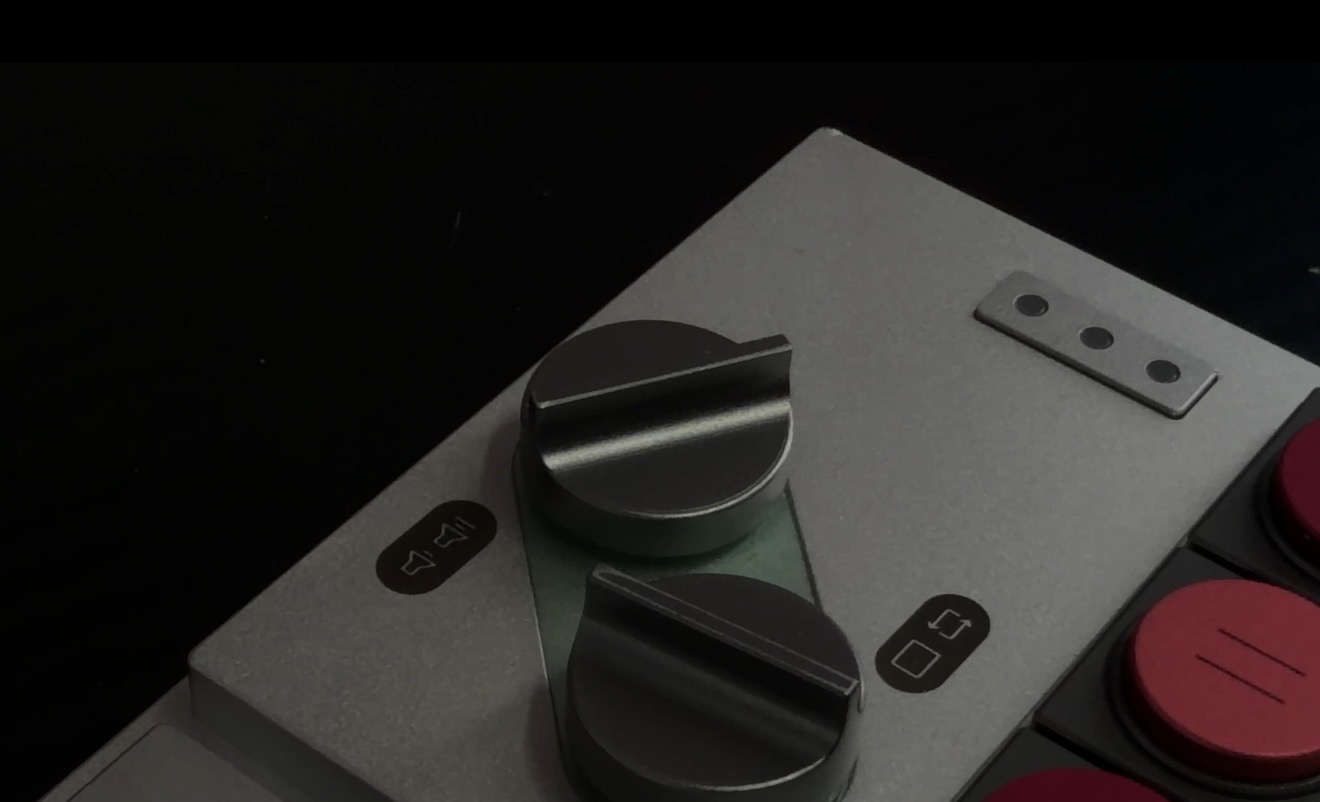
A defining element of this design direction is the physical rotary knob, inspired by classic DJ mixer systems.
Rather than relying solely on digital inputs, this tactile control mechanism allows users to:
Adjust settings with precision and speed
Experience a more physical interaction flow
Reduce cognitive load during operation
This design philosophy brings control back to something instinctive—where movement and feedback are directly connected.
Beyond interaction, the input system has been fully re-engineered to support demanding usage scenarios.
Key improvements include:
Extra-wide keycaps for improved accuracy
Low-profile precision switch structure
Enhanced stability during rapid or repeated input
Optimized ergonomics for long-duration use
This balance between tactile feedback and structural stability ensures consistent performance in both professional and high-intensity environments.
The design approach is not about reduction for simplicity’s sake, but about purposeful minimalism.
Every component serves a clear function:
No unnecessary visual clutter
No redundant interaction layers
No compromise on responsiveness
The result is a cleaner, more focused user experience that aligns with modern workspace expectations
This is only part of AULA’s ongoing design evolution. Further innovations in interaction systems, material engineering, and user experience optimization remain under development—unreleased, but actively shaping the next generation of workspace tools.